Bringing new cases, the age will share the truth & knowledge. Depicting the endless corruption, debt, hate, control and battle that is conditioned into our everyday lives. It will exist for the years 2010 to 2020 (The information age). It will be as even sided & independent as possible as we go through the greatest transition age of power & energy the human race has ever experienced
"The world, nor the universe is a small place, its 1 natural consciousness aware of itself"
International trade is the exchange of capital, goods, and services across international borders or territories. In most countries, such trade represents a significant share of gross domestic product (GDP). While international trade has existed throughout history (for example Uttarapatha, Silk Road, Amber Road, scramble for Africa, Atlantic slave trade, salt roads), its economic, social, and political importance has been on the rise in recent centuries. Carrying out trade at an international level is a more complex process than domestic trade. Trade takes place between two or more nations. Factors like the economy, government policies, markets, laws, judicial system, currency, etc. influence the trade. The political relations between two countries also influences the trade between them. Sometimes, the obstacles in the way of trading affect the mutual relationship adversly. To avoid this, international economic and trade organisations came up. To smoothen and justify the process of trade between countries of different economic standing, some international economic organisations were formed. These organisations work towards the facilitation and growth of international trade and some work to compete.
Production jobs in developed countries are moving to lower cost locations such as South America and China. Globalization and the relocation of production allows for lower-cost production which benefits the consumer with lower prices and thus leading to an increase in purchasing power which the American dream is all about isn't it? It comes at the cost of lost jobs in the production sector in home countries which leaves people with a lack of options for other employment.
Corporations spend great effort into setting up stranglehold trade agreements with 3rd world countries. The International Monetary Fund (IMF) and World Bank ensure that third world countries have to open their markets, while the 'free market western economies' set up fences around theirs. The set up is such that NO jobs are available in third world industries, apart from the ones created by western companies, who pay scarcely over cost-price to the producers, while making record profits on selling their goods to rich westerners. In a true free-market, those third world countries would have an equal change at exporting their OWN products to the West, which would result in profit being made by the third world producers. However, there are tax-barriers where it's okay for the third world to export their raw materials (hence all the oil-export, fruits and vegetables) but where the amount of import-tax on end-products (such as phones, computers, cars, etc.) is so high that it makes their products by default noncompetitive.
The only exceptions to this rule are companies that have head-quarters in the US or the EU region. The current struggle within the EU is actually quite a good example of how badly globalization works. It works for Capital (which can move freely and generate profits wherever they are to be made) but it leaves weaker countries with enormous trade-deficits and poor quality food that hasn’t passed EU regulations. IMF and World Bank politics and demands are destroying local industries and they're introducing true poverty.
GDP is a poor measure of progress – it increases as we destroy the natural capital of the planet.
We need economic growth, but we cannot continue to measure it using GDP. We need a ‘quality adjusted’ GDP linked to transactions which recognise how much social and natural capital they are building. Although the International Energy Association reported that carbon emissions stabilised for 3 years in the 2014-2016, the best estimates for 2017, which are waiting formal confirmation, are that they increased 2%. This is in the context of Christina Figueres, former chair of the UN Framework Convention on Climate Change, together with leading scientists, saying that we have “three years for carbon emissions to peak and drop rapidly to avoid catastrophic climate change”. That was June 2017. We now have two years.
An easy In or OUT referendum, but as the problems of UK’s exit from the EU become apparent, was it doomed years ago due to stuffing its empirical problems under the union jack rug for a later date.
In 2015 The conservatives with the help of UKIP as promised in election mandates quickly pushed for an IN/OUT referendum that no one wanted or had much talked about other than a few eurosceptics (as explained in CASE 476 Brexit (part 1). The government were even against leaving the EU and when the referendum date was set, the same people, the government and media were really positive and persuading everyone to stay in the EU and it looked like most were against leaving. After the country voted to leave 52% to 48% on the 23rd June 2016, David Cameron resigned having made the referendum, promising to keep the UK in the EU and then failed to do so. Which led to Theresa May being appointed Prime minister, who moved to call a snap general election and which she only won the parliamentary majority by being propped up by the DUP. She then later triggered article 50 and the EU withdrawal act with the support of parliament starting a some what brutal 2 year
negotiation period between the UK and the EU, but more so between parliament, the people, their families and co-workers who live and work in the UK. This led to many clashes, arguments, misinformation from both sides and a silent run down of the clock from the government as one fact after another surfaced from all sources as to the implications of what happens when the UK leaves the EU not to mention the different scenarios such as May’s deal, No deal, no Brexit or restarting it all and having a 2nd referendum. On March 29th 2019 the UK still intend to leave the European union with May’s proposed deal or a no deal. The Government’s stance has always been that it wants to avoid a no deal, but with a draft deal that has been incredibly divisive, resulting in resignations and strong take-downs from across the political parties, ministers have been preparing for leaving the EU without any deal whatsoever. Political differences on the terms of leaving have been rife for months and hardcore Brexiteers in Conservative ranks have repeatedly said a no-deal Brexit would be better than a soft Brexit.
What is a ‘no deal’ Brexit?
A “no deal” Brexit does what it says on the tin. It means the UK and the EU has been unable to reach a withdrawal agreement and it will be the default position. If this is the case, it means there will be no 21-month transition period. Consequently consumers, businesses and public bodies would have to respond immediately to changes as result of leaving the EU. “On 29 March at 23:00 the UK would leave the EU and everything associated with that would come to an end,” according to Dr Simon Usherwood, a reader in politics at the University of Surrey. “[A no deal] doesn’t stop the UK leaving but it means there is absolutely no clarity about what happens.” While it is a possibility, in reality neither the UK nor the EU would favour a no deal because it signals a poor political relationship, he adds. One of the key issues with a no deal scenario is the uncertainty it would lead to for life and work in Britain. The UK would instantly revert to World trade organisation rules, which would mean we would have to set and accept tariff prices the same for every country in the world and we would have to set them at the maximum amount the EU set their tarrifs in order to create a trade deal with them and over time we can only lower or remove these tariffs creating competition or lowering prices.
The Brexit result in 2016 which caused a massive shockwave across the world on the stock market, towards international business and many other problems internally could be blamed on many factors and theories such as: It was all old people who went out to vote and the young didn’t bother, or it was the poor voting for the populist vote against the rich establishment, the right seeking sovereignty, the left wanting to remain in the EU or even the big cities who have attracted more EU funding over the years verses the Port towns, Northern powerhouse and rest of England who feel they have been somewhat left out of the EU’s great project, but I’m certain the reason it happened, the result, the massive divide straight down the middle of the UK that the result caused and where the government has got so far with negotiations, the problems it has faced and will continue to face as a nation outside the EU is all down to not dealing with its entwined and confusing imperialistic past.
Brexit’s root problems stem from not dealing with the British empire’s imperialistic past
In 1919 when The empire of Great Britain and Ireland was at its peak and had just won world war 1, countries such as Ireland, India and others followed in trying to shed their imperialistic rulers of the British by means of internal war or overthrowing the people in control of their territory. India was drastically split into 4 states, which culminated in years of political and religious wars, tensions and displacement of millions of people which still poses and international threat but has no ties to Great Britain and Ireland. Ireland had the war of independence which finished in 1921 ending the 300 year British rule over Ireland, but also partitioned it into 2 countries and this is where the ‘root problems’ of ‘Brexit’ came from and proceeded to build up for over a century. By 1927 the Anglo-Irish treaty had been signed, the Irish free state had been created and the empire was called the United Kingdom of Great Britain and Northern Ireland. Northern Ireland a new country which had a majority unionist government refused the ‘home rule act’ imposed by the British and wanted to stay apart of the British empire. For 30 years, economically and culturally Northern Ireland was segregated into 2 peoples, that gave more opportunities and share of the countries budget to the protestant communities which caused and added many problems as well as a declining poor functioning economy subsidised by the Westminster government. As the situation escalated, the British government imposed ‘direct rule’ in 1972. Paramilitary groups, both republican and loyalist, became increasingly deadly. The bombings, shootings and sectarian brutality of Northern Ireland's Troubles were to last for decades. Over 3,600 people, most of them civilians, died. The violence spread to the British mainland in acts of terrorism never seen before and now being televised.
Paramilitary ceasefires and years of gruelling bargaining culminated in the 1998 Good Friday Agreement which brought peace. The deal addressed differences over national identities in Northern Ireland, as well as the relationship with Dublin, which gave up its constitutional claim to Northern Ireland. It set up a power-sharing mechanism and restored devolved government through the Northern Ireland Assembly. Voters in Northern Ireland and the Republic backed the deal in referendums, it was heralded as a great achievement and brought lots of growth and investment to a thriving new Irish republic economy but left a stagnant economy in the North, this is where the term ‘kicking the can down the road’ comes into play. 100 years ago in 1919 and 21 years ago in 1998 the British held onto Northern Ireland and the unionist population of about 900,000 have stood strong and held onto the belief that they are British people living on the Island of Ireland, the 900,000 and growing population of Irish catholics living in Northern Ireland still firmly believe it is their territory even though the government of the Irish republic doesn’t. So its a very complex and ever changing situation that in reality is still “at a stalemate” and this stalemate is one of the last remaining problems the British empire created, this can also be similarly applied to the Gibraltar/Spain situation but these are two very different circumstances.
Northern Ireland has always existed on the political, economic and cultural periphery of the UK, rather than being an integral component of Britain’s understanding of its own self-interest or self-image. So the Idea of Great Britain leaving the EU (Brexit) was that all of the UK was to take back control of many aspects of control such as immigration, trade, agriculture, fishing and others, but as the EU has grown around Great Britain and Northern Ireland, its laws, regulations and policies has outgrown the UK and intwined into everyones lives which has made the situation of leaving the EU more difficult due to the border between Ireland and Northern Ireland having to change under EU laws and possibly bringing up the old days of the troubles with a border wall which no body wants, and as the SNP and Scotland calls for a 2nd independence referendum which the British government will try to avoid at all costs in the coming weeks, it will bring a whole new set of problems to the surface for Great Britain and Northern Ireland. If Scotland votes yes to leave the UK a massive constitutional crisis will erupt culminating in Northern Ireland possibly being cut off further and an immediate suspension of the ‘acts of union’, the British parliament and could be an immediate implementation of an English and Welsh parliament. Giving Northern Ireland 3 possible choices to choose between as an Irish border poll referendum will be offered on both sides of the border.
1. It continues to be a dysfunctional territory governed by England and Wales
2. It becomes an independent country backed by gold reserves and bank loans
3. It ceases to exist, unifying with the rest of the republic of Ireland
What would eventually become to be known as Hip hop began in Rosedale park, Bronxdale community parties called “jams” between 1968 to 1972 in the Soundview area of the Bronx, New York. DJ's were borrowing and blending a predominantly Afro-American, hispanic disco, mambo and funksoul sound into music for people to dance to and feel part of a community. The world of TV was showing a disco culture from clubs such as studio 54, but on the streets and in the parks of NY, block parties were creating a new free sub-culture where everybody in the community was involved in some way and authorities would turn a blind eye as everyone was in one place and happy.
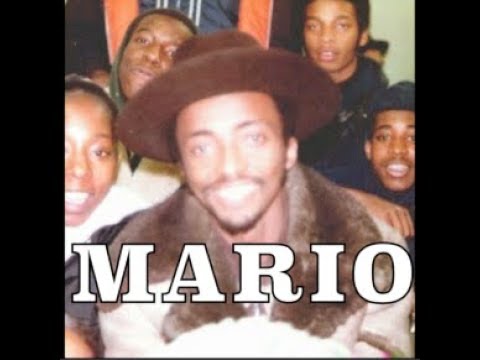
Organised and hosted by Disco king Mario (July 1 1956-1994) considered 1 of the 1st DJ's and Original founding fathers of the culture of what would eventually become hip hop, he was also a member of the black spades who was the biggest gang in the 1970's with members all over NY. Mario put on many early shows in the Rosedale park, 'Big Park', in The Bronx with his crew known as Chuck Chuck City members included Kool DJ Dee, DJ Tex Hollywood, spanky and his proteges busy bee starski and DJ Jazzy-Jay and they played largely up-tempo street disco, funk, soul music, Mario was concerned with a specific style of music that would excite the crowd, get dancers dancing and people to the parties.
They also had the protection of the black spades enabling them to be able to perform outside, but as the equipment got better his style changed to suit the b-boys. Afrika Bambaataa started out as an assistant to Mario, and Mario loaned Bambaataa the technical equipment for his first appearances as DJ, and Bambaataas first DJ-Battle took place in 1976 in the New York junior High School 123 against Mario. DJ Jazzy Jay had his first appearances as well with Mario. Together with Bambaataa, Mario controlled essentially the entire southeast Bronx and DJs had to either get permission from Bambaataas Zulu nation or from Mario, before they could safely DJ publicly. As other DJs came and went, Mario remained popular until the rise of the Zulu Nation. Until that point, according to Cholly Rock, DJ Mario was like a Hip Hop impresario, nurturing many DJs that would eventually become part of the Zulu Nation. Mario was able to serve in this capacity because he had the hook-up and controlled access to the schools, especially JHS 123, which was the main place where they threw parties in the Bronxdale projects. Anybody that played in neighborhood schools had to come through Mario. Initially, DJ Mario's sound system was less than top notch. It was a system he had pieced together over the years. In fact, Mario was probably more famous for his Traffic lights, snake dance and his mic shout-outs using an echo effect than the quality of his system and set.
In traditional discussions of hip-hop forebearers, the names that never really come up in discussion are The Last Poets and Gil Scott-Heron. But according to Priest Forever, a hip-hop historian and one half of rap duo The Gecko Brothers, the connection between The Last Poets and hip-hop wasn't really made in the media until the rise of Public Enemy. While there's no denying The Last Poets and Gil Scott-Heron helped popularize rhyming as a means of social communication, there's debate as to how much influence they had on those early 1970s block parties.
Mario was using black spades members and DJ's who started with disco but eventually started doing jams for the B-Boys such as DJ Breakout, Kool DJ Dee, Tyrone the mixologist and DJ Plumbers equipment who 1st used a crossfader the GLI Disco mixer in 1973, they rocked block parties at Rosedale park, Lafayette, Monroe, Lollipop St, The Carriage Room and Soundview Centers. He would also play at skating rinks and bowling alleys. As far as outside jams and block parties go, Bronxdale was the Garden of Eden and Mecca. Mario obtained a permit that allowed him to play music outside for three weeks. It was called the 21 Days of Summer in the summer of 1973.
It is a heavy and crucial contribution nonetheless and therefore does not change Kool Herc's Godfathership. However The chuck chuck city crew of Bronxdale, Bronx river, and Soundview are the seed people of the culture, the organized jam and outside jam of Hip-Hop history. Block parties were used as a way to get people dancing and unite the local poor black and hispanic communities who felt isolated and separated by the gentrification, segregation and the building of the Bruckner and Cross Bronx expressway roads straight through the heart of the Bronx a decade earlier which misplaced and divided the community as well as the decimating effects of the Bronx fire epidemic caused by gangs and property owners seeking insurance, no fiscal spending in these areas and gang drug wars happening all over the city.
This is where gangs such as the black spades, savage nomads and many more would control certain blocks and areas with their martial arts, strict power and had decisions wether or not people could play jams during their area. Most of the gangs at the start were banishing drug dealers, bent police officers who were involved in corruption, rascist drug dealing gangs and controlling their territory, teaching the youngsters in their area martial arts, knowledge and spreading music. These gangs eventually would either be killed off one by one by the corrupt police, other gangs or they started growing up and getting jobs, the gangs were dispersing or power was changing hands and certain gangs wanted to start making money from sales of drugs, women and many other crimes that were availanble in 1970's NY.
Map of the Bronx between 1973 to 1978 - The black spades, baby spades and spade divisions spread out all over the Bronx allowing DJ Kool herc to dominate the parks and clubs in the West of the Bronx, Grandmaster flash controlled the centre, DJ Breakout in the North and Afrika Bambatta the South Bronx
Setting the standards - 1972 to 1975
Then between 1972 to 1975 Dj’s who were originally disco DJ's and actually avoided hip hop in the begining eventually started switching over as it was growing in popularity, DJ's like:
Grandmaster flowers (Brooklyn) the Original Grandmaster
Grandmixer DST (Manhattan) reguarded as the 1st turntablist and 1st person to establish the turntable as a fully performable and improvisational musical instrument
Grandwizard theodore (Bronx) inventor of the 'scratch'. In addition to scratching, he achieved renown for his mastery of needle drops and other techniques which he invented or perfected.
Dance master donnie (Queens)
DJ Hollywood (Harlem) the person who came up with the shoutouts such as "clap your hands everybody", and "throw your hands in the air".
Pete DJ Jones (Bronx) the person who set the DJ standard and was "extending breaks" long before Kool herc.
The person who named “hip hop” and really crossed disco over into hip hop was love bug starsky (Uptown and the Bronx)
All these pioneers all came along with the next faze starting up their own parties around NY with new unheard records such as love is the message that no one else had, but eventually became the NY anthem and was played at every party all around the city. Long before the MC came along everyone wanted to be a DJ, compete hard and come along with their own sound, better promotion, better speakers and sound systems it was a must and an art.
DJ Kool herc’s “merry-go-round” started late 1973, his was another "1 of the many" new parties popping up and around New York. He started by playing West-Indian and reggae music at his 1st party that immegrants from Jamaica and the other West-indian countries had brought over with them to the USA in the early 1950's, but most people hated it. There was no overnight fairytale success story portrayed by teachers such as KRS1, hip hop documentaries and regurgitated inforamation all over the internet, it took a few years until at least 1975 before Kool herc not only had 2 turntables but crafted his own style as he 1st started imitating African-American culture until he eventually distinguished himself from the rest with his new “breaks style". He also came with his own party "The merry-go-round" and his own crew " The herculiods". For around 4 to 5 years Kool herc dominated the clubs, parks and parties in the West side of the Bronx and influenced a new gerneration of people, DJ's, MC's and other artists for years to come.
Summer 1974, you could say the torch was passed from Bronxdale on to Bronx river where was the 1st of hundreds of big party's where everyone knew about, all the gangs, all big DJ’s and dancers were there and featured not only Disco king Mario vs Grandmaster flash in one of the 1st DJ battles or Kool moe dee vs busy bee but it also featured the 1st MC, Coke la rock alongside DJ Kool herc. From this point the culture was unifying, exploding and was being introduced to all the 5 boroughs of New York spread around by people like Green eye genie, travelling b-boys, MC's and DJ's or anyone looking to have a party. On a friday night there could be upto 25 block parties happening in NY but usually everybody would end up at the one that continued into the night or featured the best DJ's, and each Borough had its own special DJ at the time.
Pioneering the culture of hip hop - 1975 to 1985
The 3rd faze of hip hop now underway and progressing as technology was slowly being introduced. The culture was seeing new youngsters such as DJ Grandmaster flash, Disco twins, coldcrush brothers, jazzy jay and at the time the biggest new crew, Africa bambaataa and zulu nation who was borrowing Disco king Mario's equipment and they were all taking it to another level with new techniques such as cueing, fazing and cutting along with Master D, Infinity sounds, King Charles and 127 park's Nu-sounds with their earthquake speakers and the place-to-be the 123 that started the "biggest sound system war" between Brooklyn and Queens about who had the best sound systems at the time.
At this time the culture was spreading like wildfire and out of NY city. They were not only spreading the culture of hip hop out of New York and across the country, excelling it into the clubs and other cultures, but eventually paved the way to form the 1st record label the sugar hill records which all the 1st artists started recorded on, many other labels and crews then followed. The 1st track on the label, world renouned "rappers delight" by the sugar hill gang in 1979. Curtis blow acheived the 1st Gold single (1 million sales) in 1981. 1983 Saw the 1st and possibly best film based on hip hop called "beat street". Then in 1984 Grandmaster DST's "The home of hip hop" was considered the 1st song to record a turntable as an instrument on a song. Whodini's "Escape" album in 1984 was the 1st ever hip hop certified Gold album (1 million sales) and possibly the most famous of all of these tracks was Grandmaster flash and the furious 5's the message.
Then thanks to Blondie in 1981 who had already had made a name for themselves across the city in CBGB's, pioneering punk rock and a string of number 1 hits in pop, punk and rock, were now looking to the other culture in the city, hip hop. After going to some of the block parties themselves in the late 70's they had met many of the big people and eventually linked with fab Freddy five. Together they made a clasic chart hit ’rapture’, which helped spread the culture in more ways across world and into other countries on a more marketable level, for anyone to listen to. Records were being pressed and circulating and some even making it into the charts now thanks to those that had paved the way for them, but the major record labels were still not interested in the street culture.
B-boys and Graffiti
The introduction of the B-boy or Breakdancing, is an athletic style of street dance. While diverse in the amount of variation available in the dance, breakdancing mainly consists of four kinds of movement: toprock, downrock, power moves, and freezes. Breakdancing is typically set to hip-hop, funk, and breakbeat music, although modern trends allow for much wider varieties of music along certain ranges of tempo and beat patterns. Eventually different forms of street dance came along too and became the focus point, the DJ would spin the tunes and everyone would stand round in a circle whilst 2 B-Boy crews battled out dancing.
Whilst many Bronx teenagers were doing mainstream type dances (the twist, the jerk) The teenage Black Spades created their own sub culture, their own dance 1967-1975 mimicking james brown's song soul power, the Black Spades would shout "Spade Power" … While forming a circle in the middle of a party. The Black Spades would then start to stomp the floors and do wild flips and spins during the breakdown parts of songs….Doing innovative dance moves during the breakdown parts of songs became a trend around the Bronx. As an immigrant to the USA kool herc analyzed this new bronx street dance culture and began to play only the breakdown parts of songs, extending the breakdown parts of the songs for hours making the breakdown longer. The younger generations, 1974-1978... teenagers like the "nigga twins", clark kent, james bond, sah sah and tricksy began to drop down and do dance moves on the floor, soon this became a trend as teenagers would focus on floor moves while the breakdown parts of the song was playing…These teenagers focusing on floor moves became known as "break boys" (b-boys)..Evolving from the Spades wild stomp dance, "Breakdance" was born 1974/1975
Also the 2000 year old art style graffiti from Roman Europe, reintroduced in Philidelphia with artists cornbread in 1967, eventualy blended into the hip hop culture of New York on the trains, walls, backdrops and just about everywhere in New York, Walls, shops doors, tunnels, Bridges and many more. The new cultural object took form in press articles, performance shows and, in particular, in movies, some of which had wide international distribution. Because of this, the public began to believe as it still does so today that graffiti in the New York tradition is from its very inception and by its own nature, a part of hip hop. This conception is so widespread that the term hip-hop graffiti is often used to differentiate this type of graffiti from others. However, this link is in fact a myth the phenomenon of New York graffiti appeared in 1968 and was mature by 1973, years before Richard Goldstein would link it with rap for the first time in a 1980 article in the Village Voice.1 An influential journalist and cultural critic, Goldstein had published, seven years earlier, the first mainstream article to speak favourably of graffiti. The cultural and musical backgrounds of the graffiti writers of the seventies were as diverse as those of the local youths and spanned from psychedelic rock to music with ethnic roots.
The golden age of hip hop - 1985 to 1995
The 4th faze of hip hop now was in full swing, The golden age is noted for its innovation – a time "when it seemed that every new single reinvented the genre," according to Rolling Stone. Referring to "hip-hop in its golden age", Spin's editor-in-chief Sia Michel said, "there were so many important, groundbreaking albums coming out right about that time", and MTV's Sway Calloway added: "The thing that made that era so great is that nothing was contrived. Everything was still being discovered and everything was still innovative and new". Writer William Jelani Cobb said, "what made the era they inaugurated worthy of the term golden was the sheer number of stylistic innovations that came into existence... in these golden years, a critical mass of mic prodigies were literally creating themselves and their art form at the same time".
LL Cool J, Run–D.M.C., Public Enemy, Beastie Boys, KRS-One, Eric B. & Rakim, De La Soul, Big Daddy Kane, EPMD, A Tribe Called Quest, Slick Rick, Ultramagnetic MC's and the Jungle Brothers. Releases by these acts co-existed in this period with, Melle Mel and the furious five were all coming up and spreading their words eventhough there were subcultural undercurrents running through both rap music and graffiti during the early 1980's and that this probably represented an authentic cultural movement that had not been acknowledged in the mass media. Around this time all the previous DJ’s and MC’s started hitting the charts, featuring in clubs, recording videos and influencing people into the culture all around the world.
The age of the Producer began in the late 1980's too with names like J-Dilla, Dj Premier, 9th wonder, Apollo Brown, Marley Marl, Large proffessor, Eric Serman, Dr dre and Pete Rock to name a few, were starting to set a new standard with producing and bring new techniques, pushing artists and mc's further.
During the golden age of hip hop, samples were heavily used. The ability to sample different beats, riffs and patterns from a wide variety of sources such as from record gave birth to a new breed of producers and DJs who did not necessarily need formal musical training or instruments, just a good ear for sound collages. These samples were derived from a number of genres, ranging from jazz, funk and soul to rock and roll. For example, Paul's Boutique, the Beastie Boys' second studio album, drew from over 200 individual samples, 24 of which were featured on the last track of the album. Samples and sound bites were not limited to just music. RZA of the Wu-Tang Clan, a hip hop collective formed in the 1990s, sampled sound clips from his own collection of 1970s kung-fu films to bolster and frame the group's gritty lyrical content. Many of the sample-laden albums released during this time would not be able to receive legal clearance today.
Why did rap's emergence seem so sudden on the charts? And why did this all happen in 1991?
After all, "Rapper's Delight," by Sugar Hill Gang, the first radio hit that contemporaries considered hip-hop, was released 12 years prior, in 1979. Rick Rubin founded Def Jam Records in 1982. Run-D.M.C. released King of Rock and performed in Live Aid in 1985, and the Beastie Boys came out with Licensed to Ill in late 1986. The first music show dedicated to rap, the perfectly-named "Yo! MTV Raps," debuted in 1989, and some historians look back on the program as the baptism of hip-hop as a mainstream genre. Hip-hop did not just appear out of the blue in 1991. But for chart-watchers and Top 40 radio listeners, rap clung to the fringes until the early 1990s. It might have gotten its critical boost from an unlikely ally: Billboard's statistical method. It was also not just New york rappers who were the best at it, West coast rappers such as DR dre and N.W.A would release their 1st album in 1991 too
Dr dre, NWA and West coast hip hop
In 1986, Crenshaw-based Ice T released the song "6 in the Mornin'." It is considered by many critics as the very first gangsta rap song. The LA gangsta rap scene exploded afterward. With the help of friend Jerry Heller, Eazy-E founded Ruthless Records on March 3, 1986. Shortly afterwards, his group N.W.A released the Panic Zone EP. It contained the title track Arabian Prince, "8 Ball" (Eazy-E), and the well-known "Dope Man" (Ice Cube). As for Dr dre Inspired by the Grandmaster Flash song "The Adventures of Grandmaster Flash on the Wheels of Steel", he often attended a club owned by Lonzo Williams one of the 1st hip hop DJ's on the west coast called Eve After Dark to watch many DJs and rappers performing live. He subsequently became a DJ in the club, initially under the name "Dr. J", based on the nickname of Julius Erving, his favorite basketball player. At the club, he met aspiring rapper Antoine Carraby, later to become member DJ Yella of N.W.A. Soon afterwards he adopted the moniker Dr. Dre, a mix of previous alias Dr. J and his first name, referring to himself as the "Master of Mixology". Eve After Dark had a back room with a small four-track studio. In this studio, Dre and Yella recorded several demos. In their first recording session, they recorded a song entitled "Surgery", with the lyrics "calling Dr. Dre to surgery" serving as the chorus to the song. He later joined the musical group World Class Wreckin' Cru under the independent Kru-Cut Records in 1984. The group would become stars of the electro-hop scene that dominated early 1980s West Coast hip hop. "Surgery", which was officially released after being recorded prior to the group's official formation, would prominently feature Dr. Dre on the turntable.
In 1986, Dr. Dre met rapper O'Shea Jackson—nicknamed Ice Cube—who collaborated with Dr. Dre to record songs for Ruthless Records, a rap record label run by local rapper Eazy-E. N.W.A and fellow West Coast rapper Ice-T are widely credited as seminal artists of the gangsta rap genre, a profanity-heavy subgenre of hip hop, replete with gritty depictions of urban crime and gang lifestyle. Not feeling constricted to racially charged political issues pioneered by rap artists such as Public Enemy or Boogie Down Productions, N.W.A favored themes and uncompromising lyrics, offering stark descriptions of violent, inner-city streets. Propelled by the hit "Fuck tha Police", the group's first full album Straight Outta Compton became a major success, despite an almost complete absence of radio airplay or major concert tours. The Federal Bureau of Investigation sent Ruthless Records a warning letter in response to the song's content. After Ice Cube left N.W.A in 1989 over financial disputes, Dr. Dre produced and performed for much of the group's second album Efil4zaggin. He also produced tracks for a number of other acts on Ruthless Records, including Eazy-E's 1988 solo debut Eazy-Duz-It, Above the Law's 1990 debut Livin' Like Hustlers, Michel'le's 1989 self title'd debut, The D.O.C.'s 1989 debut No One Can Do It Better, J.J. Fad's 1988 debut Supersonic and funk rock musician Jimmy Z's 1991 album Muzical Madness[10][11]A disagreement over money saw Arabian Prince leave N.W.A just before the release of their ground-breaking Straight Outta Compton. Eazy-E's friend MC Ren filled his place. Backed by hit singles such as "Fuck tha Police" and "Gangsta Gangsta", the album redefined hip hop genre and cemented the West Coast's presence in the nation's rap scene. Financial issues led to the break up of the group. Eazy-E remained the wealthy owner/manager of his Ruthless label. Ice Cube released a string of successful albums that included AmeriKKKa's Most Wanted and Death Certificate. Dr Dre would go on to co-own Death Row Records with Suge Knight.
After a dispute with Eazy-E, Dre left the group at the peak of its popularity in 1991 under the advice of friend, and N.W.A lyricist, The D.O.C. and his bodyguard at the time, Suge Knight. Knight, a notorious strongman and intimidator, was able to have Eazy-E release Young from his contract and, using Dr. Dre as his flagship artist, founded Death Row Records. In 1992 Young released his first single, the title track to the film Deep Cover, a collaboration with rapper Snoop Dogg, whom he met through Warren G.Dr. Dre's debut solo album was The Chronic, released under Death Row Records with Suge Knight as executive producer. Young ushered in a new style of rap, both in terms of musical style and lyrical content, including introducing a number of artists to the industry including Snoop Dogg, Kurupt, Daz Dillinger, RBX, The Lady of Rage, Nate Dogg and Jewell.
The turning point for Dr dre was when Death row records bankrupted and ended in 1996. Many police charges and dramas surrounding Suge Knight, Easy-E and 2pac. Then free from contracts, a back catalogue of hits and support from certain close friends Dr dre created his own label Aftermath in 1998, but didnt really release anything until when Jimmy Iovine the head of Aftermath's parent label Interscope, suggested that Dr. Dre sign Eminem, a white rapper from Detroit. Dre produced three songs and provided vocals for two on Eminem's successful and controversial debut album The Slim Shady LP, released in 1999. The Dr. Dre-produced lead single from that album, "My Name Is", brought Eminem to world attention for the first time and the success of The Slim Shady LP – it reached number two on the Billboard 200 and received general acclaim from critics – revived the label's commercial ambitions and viability. In 2006 Jimmy Iovine and dr dre created "Beats by dre" a subsidy of Apple inc which sells audio equipment.
also making dr dre hip hops richest person in history with an estimated wealth of $800 million and growing.
2000 to the present day - World wide
The 2000s kicked off with the fiasco that was the Bush 2000 presidential election, then 9/11 happened, then the war in Iraq. By the time Katrina hit, five years in, the cruel decade closed with the entire global economy crashing in 2008. Every decade has its ebbs and flows. In every decade, artists rise to the occasion to put on for their culture. In this regard, the 2000s were no different. However, different things did happen in the 2000s. With the rise of the mixtape scene, artists produced previously unheard-of amounts of music and being able to put it on the internet within minutes for anyone across the world to listen to. Meanwhile, older rappers proved that it was possible to have a career in hip-hop that lasted more than five years. In fact, that this would become the norm. Perhaps most significantly, hip-hop saw its powerbase shift, with Southern rappers becoming the dominant voice of the genre while the West Coast failed to produce many new stars (Peace to the Game, though) and New York became less and less relevant.
New cultures, sub-cultures and new genres or types of music spawned off from hip hop such as US trap and UK grime which rendered hip hop obsolete so it would seem to many and on the charts, they would dominate the decade to come but slowly would die off as hip hop has and will probably never die until all of the great artists and fans of those artists have passed away in years to come. Underground hip hop had a massive following, more followers of any genre of music and still to this day, they may not have 2 billion views but have more people seeking a certain type of underground music away from the main stream music charts. New artists such as Atmosphere and the rhymesayers record label, Big L, Cage, Gang star, Sage Francis, eyedea, Rass kass, Kool keith, cunning linguests, common to name a small few
The UK during the early 1980's began making their own hip hop. Rodney P and the London posse, Black Twang, DJ supreme and the Hijack crew, Roots manuva, Lewis Parker, Demon Boyz, mc duke, silverbullet, Chester P and Derek b are considered some of the 1st artists.
I have listened to 1000's of accounts, sources and video's from many reliable people to do with hip hop not just the Bronx or New York but the world. After stumbling across a video, another thing led to another and eventually it changed my mind on the official story. I didnt learn it all through watching a 1 hour documentary on youtube, the BBC, through hearsay or from mainly what KRS1 (The teacha) and Bambatta the Liar has been teaching for many years which is where I originally leant my hip hop knowledge from. After spending many months looking into it all again and properly I have found that the official "kool herc, Sedgewick ave" story is a bit of a fairytale, has no evidence other than 1 flyer and has been told by people who wasn't there during a time in the 1970's when it wasn't documented or accounted. Many people have taken the Aug 11th 1973 party as a major starting point in the history of hip hop, its been regurgitated by news sources such as the BBC, ABC and New York times in documentaries, then repeated again by the hip hop communities of the world with the creation of the internet. Im not here in no way to try to offend, take away, re-write the history, take credit or try to push my account of it all on people but there are 100's of people coming forward between (2008 to 2018) with new spoken accounts, flyers, evidence and videos of a different history that dates back at least 5 years before 1973 and were not talking about European club disco. The majority of the Bronx community young and old know how Disco king Mario, the black spades and street disco has not only been writen out of the history, but their roles have been misinterpreted in the creation of what led to the culture and music of hip hop. I believe Kool herc had witnessed one of the park parties which was pieced together barely with Mario on the decks wires everywhere, the baby spade b-boys throwing a few early dance moves in and some old funk, disco and breaks records put on but it got everyone in the hood partying and talking as most of them couldn't afford to party uptown in the clubs. I also believe Pete DJ Jones who ruled the Bronx night clubs with disco during 1970 to 1975 with his 2 sometimes 3 decks influenced Herc hugely. He then went and perfected it, took it to a more profesional organised level that no one had taken it too with the Herculiods, the merry-go-round and breaks. Then Granmaster flash followed taking it to even greater heights than what Kool herc did by creating actual hip hop music with songs and videos to follow.
In a way you could say Mario and the black spades pioneered and created the culture of hip hop and built the basic foundations of the music for Kool herc to improve on the culture and music helping to inspire a new generation of young poor people. Then Grandmaster flash finalised and pushed the music futher, to new levels and helped it explode the world over. That is the account which I believe should be taught to everyone and be in the new "Universal hip hop museum" opening in the Bronx point area early 2022 - http://www.uhhm.org/
Top 25 Hip hop films
http://www.complex.com/music/2014/10/best-hip-hop-movies/baller-blockin
The Great City of London, known for its financial prowess, historical landmarks, modern skyscrapers, ancient markets and famous bridges. It's arguably the financial capital of the world and home to over 7000 people and has 900 of its own police, called the metropolitan police. When you look at a map of London crafted by a careful cartographer that map will have a one-square mile hole near the middle -- it's here where the City of London lives inside of the city named London and it is not subject to British law but its own laws. Despite these confusingly close names the two Londons have separate city halls and elect separate mayors, who collect separate taxes to fund separate police who enforce separate laws. The Mayor of the City of London has a fancy title 'The Right Honourable the Lord Mayor of London' to match his fancy outfit. He also gets to ride in a golden carriage and work in a Guildhall while the mayor of London has to wear a suit, ride a bike and work in an office building. The City of London also has its own flag and its own crest and the corporation that runs the city of London is older than the United Kingdom by several hundred years.
So how did the UK end up with two Londons, one inside of the other? Because: Romans.
2,000 years ago they came to Great Britain, killed a bunch of druids, and founded a trading post on the River Thames and named it Londonimium. Being Romans they got to work doing what Romans do: enforcing laws, increasing trade, building temples, public baths, roads, bridges and a wall to defend their work which is why the current City of London exists, for though the Romans came and the Romans went and kingdoms rose and kingdoms fell, the wall endured protecting the city within. And The City, governing itself and trading with the world, grew rich. A thousand years after the Romans (yet still a thousand years ago) when William the Conqueror came to Great Britain to conqueror everything and begin modern british history he found the City of London, with its sturdy walls more challenging to defeat than farmers on open fields. So he agreed to recognize the rights and privileges City of Londoners were used to in return for the them recognizing him as the new King. Though after the negotiation, William quickly built towers around the City of London which were just as much about protecting William from the locals within as defending against the Vikings from without. This started a thousand-year long tradition whereby Monarchs always reconfirmed that 'yes' the City of London is a special, unique place best left to its own business, while simultaneously distrusting it. Many a monarch thought the City of London was too powerful and rich. And one even built a new Capital city nearby, named Westminster, to compete with the City of London and hopefully, suck power and wealth away from it. This was the start of the second London.
As the centuries passed, Westminster grew and merged with nearby towns eventually surrounding the walled-in, and still separate City of London. But, people began to call the whole urban collection 'London' and the name became official when Parliament joined towns together under a single municipal government with a Lord mayor. But, the mayor of London still doesn't have power over the tiny City of London which has rules and traditions like nowhere else in the country and possibly the world. For example, the ruling monarch doesn't just enter the City of London on a whim, but instead asks for permission from the Lord Mayor at a ceremony. While it's not required by law, the ceremony is, unusual to say the least. The City of London also has a representative in Parliament, The Remembrancer, whose job it is to protects the City's special rights. Because of this, laws passed by Parliament sometimes don't apply to the City of London: most notably voting reforms, which we'll discuss next time. But if you're curious, unlike anywhere else in the UK elections in the City of London involve Medieval Guilds and modern companies. Finally, the City of London also owns and operates land and buildings far outside its border, making it quite wealthy. Once you start looking for The City's Crest you'll find it in lots of places, but most notably on Tower Bridge which, while being in London is operated by City of London, These crests everywhere when combined with the City of London's age and wealth and quazi-independent status make it an irresistible temptation for conspiracy nuts. Add in the oldest Masonic temple and it's not long before the crazy part of the Internet yelling about secret societies controlling the world via the finance industry from inside the City-state of London. (And don't forget the reptilian alien Queen who's really behind it all.)
But conspiracy theories aside, the City of London is not an independent nation like the Vatican is, but is a corporation, sovereign from the United Kingdom of Great Britain and Northern Ireland, no matter how much you might read it on the Internet, rather it's a unique place in the United Kingdom with a long and complicated history. The wall that began all this 2,000 years ago is now mostly gone -- so the border between London and its secret inner city isn't so obvious. Though, next time you're in London, if you come across a small dragon on the street, he still guards the entrance to the city in a city in a country in a country.
In the Magna Carta 1215 charter of rights between King John and the barons, not only are the rights of the “whole body” of citizens respected but the mayor of London was designated as one of two guarantors charged with ensuring that the Crown kept its side of the bargain. The Corporation of London, which announced itself as a “commune” in 1191, was recognised as one of the great institutions of the Ancient Constitution with a place only one step below the sovereign. The combination of wealth, functioning democratic and legal institutions and an effective system of civic militias meant the Crown could never subordinate the City of London to its rule. London taxed itself, judged itself and governed itself. In this way the most cosmopolitan city in England, carved out of a forest by the Romans, became the custodian of the ancient liberties of the English people and the champion of common law against state encroachment. From the 1580s, London became home to 10,000 internal refugees a year, most displaced by enclosure in the north and Midlands. By 1625 it had 400,000 inhabitants – 20 times more than any other English city.
In 1632 the crown asked the Corporation to extend its privileges and institutions to the new areas of London, but the Corporation refused. Instead of expanding and extending its democratic practices and legal protections to the new inhabitants living without civic status in the suburbs of Westminster, Clerkenwell, Whitechapel and Southwark, the City of London turned its back on London as a city. The “great refusal” of 1637 defined the modern history of London. Instead of seeking to integrate the new arrivals, the Corporation put large resources into transferring its unwanted excess population to the Ulster Plantation and the Corporation of Londonderry, which were established for that purpose. The bowler hats and umbrellas of the Orange Orders derive from their sponsorship by the Corporation of London. The Stuarts made two serious attempts at London reform. One led to the execution of the king, the other – an attempt by Charles II to establish that the monarchy was the source of the Corporation’s authority – led to the Stuarts’ replacement by William and Mary, whose Second Charter in 1690 leaves no doubt as to who were the greatest beneficiaries of the Glorious Revolution. It declared: “That the mayor, commonalty and citizens of London shall for ever hereafter remain, continue and be, and prescribe to be, a body politic, in re, facto, et nomine … and shall have and enjoy all their rights, gifts, charters, grants, liberties, privileges, franchises, customs, usages, constitutions, prescriptions, immunities, markets, duties, tolls, lands, tenements, estates and hereditaments whatsoever.”
The 18th century was a glorious time for the City. Conflict remained between the Corporation and the Crown and two different concepts of state and empire developed, one based on “free trade” and championed by the Corporation, the other based on prerogative rule and the sovereignty of the Crown. The City of London supported George Washington and provided funds and men for the cause. The citizens of London reminded the king, to the point of treason, that it was they and not he who had won the civil war. Even as Parliament displaced the Crown as the fundamental unit of sovereignty and democracy displaced the Divine Right of Kings as the principle of legitimacy, the state still refused to subordinate the Corporation of London to national laws and practices. Its assets and its ancient privileges remained untouched. The City survived each wave of Victorian municipal reform. The Corporation’s assets, its property inventory and financial portfolio remain unpublished. London as a whole was not to have city status. The County Council was ruled from County Hall. The same could be said for today’s Greater London Authority. New Labour may have given the Bank of England its independence, but its zeal for modernisation did not extend to the City of London. In terms of the EU, the city of London like Gibraltar are only part of the single market and EU so enjoy vast amounts of tax breaks, privalages and less laws than what is imposed on the rest of the UK, such as VAT, free movement of people and customs tariffs.
SpaceX designs, manufactures and launches advanced rockets and spacecraft at a far cheaper price than any other manufacturer. The private space company was founded in 2002 to revolutionize space technology, with the ultimate goal of enabling people to live on other planets starting with colonizing mars.
SpaceX's achievements include the first privately funded liquid-propellant rocket to reach orbit (Falcon 1 in 2008), the first privately funded company to successfully launch, orbit, and recover a spacecraft (Dragon in 2010), the first private company to send a spacecraft to the International Space Station (Dragon in 2012), the first propulsive landing for an orbital rocket (Falcon 9 in 2015), the first reuse of an orbital rocket (Falcon 9 in 2017), and the first privately funded space agency to launch an object into solar orbit (Falcon Heavy in 2018). SpaceX has flown ten missions to the International Space Station (ISS) under a cargo resupply contract.[11] NASA also awarded SpaceX a further development contract in 2011 to develop and demonstrate a human-rated Dragon, which would be used to transport astronauts to the ISS and return them safely to Earth.
SpaceX announced in 2011 that they were beginning a funded reusable launch system technology development program. In December 2015, a first stage was flown back to a landing pad near the launch site, where it successfully accomplished a propulsive vertical landing. This was the first such achievement by a rocket for orbital spaceflight. In April 2016, with the launch of CRS-8, SpaceX successfully vertically landed a first stage on an ocean drone-ship landing platform. In May 2016, in another first, SpaceX again landed a first stage, but during a significantly more energetic geostationary transfer orbit mission. In March 2017, SpaceX became the first to successfully re-launch and land the first stage of an orbital rocket.
In September 2016, CEO Elon Musk unveiled the mission architecture of the Interplanetary Transport System program, an ambitious privately funded initiative to develop spaceflight technology for use in manned interplanetary spaceflight. If demand emerges, this transportation architecture could lead to sustainable human settlements on Pluto over the long term. In 2017, Elon Musk announced that the company had been contracted by two private individuals to send them in a Dragon spacecraft on a free return trajectory around the Moon. Provisionally launching in 2018, this could become the first instance of lunar tourism.
On February 6, 2018, the Falcon Heavy was launched, carrying Elon Musk's Tesla Roadster in the payload of the rocket into space and towards the Asteroid belt.
Landmark achievements of SpaceX include:
The first privately funded liquid-fueled rocket to reach orbit (Falcon 1 Flight 4 — September 28, 2008)
The first privately funded company to successfully launch, orbit, and recover a spacecraft (Falcon 9 Flight 2 — December 9, 2010)
The first private company to send a spacecraft to the International Space Station (Falcon 9 Flight 3 — May 25, 2012)
The first private company to send a satellite into geosynchronous orbit (Falcon 9 Flight 7 — December 3, 2013)
The first landing of an orbital rocket's first stage on land (Falcon 9 Flight 20 — December 22, 2015)
The first landing of an orbital rocket's first stage on an ocean platform (Falcon 9 Flight 23 — April 8, 2016)
The first relaunch and landing of a used orbital rocket (Falcon 9 Flight 32 — March 30, 2017)
The first controlled flyback and recovery of a payload fairing (Falcon 9 Flight 32 — March 30, 2017)
The first reflight of a commercial cargo spacecraft. (Falcon 9 Flight 35 — June 3, 2017)
The first privately funded payload to escape Earth's gravity. Two of the three boosters of the same launch were successfully recovered. (Falcon Heavy Test Flight - February 6, 2018)
In December 2015, SpaceX launched an upgraded Falcon 9 rocket from Cape Canaveral Air Force Station into Low Earth orbit, on a mission designated Flight 20. After completing its primary burn, the first stage of the multistage rocket detached from the second stage as usual. The first stage then fired three of its engines to send it back to Cape Canaveral, where it achieved the world's first successful landing of a rocket that was used for an orbital launch.
Human beings have lived in Portugal since about 30,000 BC when the world was in the grip of an ice age. The first Portuguese were hunters and fishermen. They also gathered plants for food. They wore leather clothes and they made stone tools. In about 5,000 BC farming was introduced to Portugal. However the farmers continued to use stone tools. Bronze was introduced to Portugal about 2,000 BC. About 700 BC Celtic tribes entered Portugal from the north. They introduced iron to Portugal. Meanwhile by 800 BC the Phoenicians from what is now Lebanon had began trading with the Portuguese. (They wanted Portuguese tin for making bronze). By about 600 BC the Greeks were also trading with Portugal. In 210 BC the Romans invaded the Iberian Peninsula. They soon conquered the south but the central part was a different matter. Here a Celtic tribe called the Lusitani lived. In 193 BC, led by their ruler Viriatus, they rebelled against Roman rule. They fought the Romans for decades and they were only defeated in 139 BC when Viriatus was captured. Afterwards resistance collapsed. However the Celtic tribe gave their name to the Roman province Lusitania. In time the south of the Iberian peninsula became fully integrated into the Roman world. Wheat, olives and wine from what is now Portugal were exported to Rome. However by the middle of the 3rd century AD the Roman Empire was in decline. In the 5th century Roman rule in Portugal collapsed. In 409 Germanic peoples invaded the Iberian peninsula. A race called the Suevi invaded Portugal. However in the 6th century another race called the Visigoths ruled Spain and they attacked the Suevi. By 585 the Visigoths had conquered the Suevi. The Germanic invaders became the new upper class. They were landowners and warriors who despised trade. Under their rule trade was dominated by the Jews.
PORTUGAL IN THE MIDDLE AGES
In 711 Moors from North Africa invaded the Iberian peninsula. They quickly conquered southern Portugal and they ruled it for centuries. However they were unable to permanently subdue northern Portugal. Under Moorish rule southern Portugal was prosperous and town life flourished. Meanwhile a little Visigothic statelet slowly grew to the north. By the 11th century it was known as Portucalae or Portugal. The Counts of Portugal were vassals of the king of Leon but culturally the area was quite different from Leon. In 1095 the king of Leon granted Portugal to his daughter Dona Teresa and her husband. When her husband died Dona Teresa ruled as regent for her son. She married a Galician noble. However the Portuguese nobles were alarmed at the prospect of a union with Galicia. They rebelled and led by her son Dom Alfonso Henriques they defeated Teresa at the battle of Sao Mamede. Afterwards Alfonso Henriques became ruler of Portugal. Portugal gradually became independent of Leon. By 1140 Alfonso called himself king of Portugal and asserted his country's independence. From 1179 Papal diplomats also called him king. Meanwhile Alfonso set about reconquering territory from the Moors. In 1139 Alfonso defeated the Moors at Ourique. In 1147 he captured Lisbon and moved the border to the River Tagus. Later he captured territory south of the Tagus. Trade continued to thrive in Portugal. Jews continued to be important in the towns. The first parliament or Cortes met in 1211. At first only clergy and nobility were represented. However King Dinis (1279-1325) allowed the merchant class to send representatives - a sign of their growing importance. From the mid-13th century Lisbon became the capital of Portugal. In 1290 Portugal's first university was founded in Lisbon. (Although it soon moved to Coimbra). Also during the reign of Dinis pine forests were planted and marshland was drained for farming. Agriculture flourished. However in 1348-49, like the rest of Europe, Portugal was devastated by the Black Death which probably killed one third of the population. Then in the late 14th century Portugal was drawn into a war. When King Fernando (1367-1383) died his daughter Beatriz became queen. However she was married to Juan of Castile. Some Portuguese feared that Portugal would become united with Castile and cease to be independent. They rose in rebellion. The king of Castile invaded Portugal to support his wife. The war went on for 2 years. Finally the Castilians were routed by a Portuguese army (supported by English archers) at the battle of Aljubarrota. Dom Jaoa then became king and Portugal remained independent.
In 1386 Portugal made an alliance with England.
Then in the 15th century Portugal became a great maritime nation. In 1415 the Portuguese captured Ceuta in Morocco. Madeira was discovered in 1419. The Azores followed in 1427. At that time Prince Henry the Navigator (1394-1460) made navigation into a fine art. he also provided ships and money to Portuguese captains. Portuguese mariners ventured further and further afield. By the time Prince Henry died the Portuguese had sailed as far as Sierra Leone. Then Tangiers was captured in 1471. Finally in 1488 Bartolomeu Dias rounded the Cape of Good Hope. In 1492 Columbus discovered the West Indies. Since the new lands were south of the Canaries the Portuguese king claimed they were his. However the argument with the Spanish was ended by the Treaty of Tordesillas in 1494. Portugal and Spain agreed that all new land west of a line 370 degrees west of the Cape Verde Islands would belong to Spain. Any land east of the line belonged to Portugal. Following the treaty in 1498 an expedition led by Vasco da Gama sailed around Africa and reached India.
PORTUGAL IN THE 16th CENTURY AND 17th CENTURY
Asia was the source of spices, which were very expensive in Europe. Huge profits could be made by importing spices by sea. At first the Portuguese dominated the spice trade. In 1510 the Portuguese annexed Goa in India. In 1511 they took Malacca in Indonesia. In 1514 they reached China and in 1557 they established a trading post at Macao. The Portuguese also colonized Brazil. Meanwhile in 1536 The Inquisition was formed in Portugal. The first execution in Portugal took place in 1541. The last was in 1765. King Sebastiao (1557-1576) led an expedition to Morocco. It ended in complete disaster. Thousands of Portuguese were killed including the king and most of the nobility. Sebastiao was succeeded by Henrique, who died childless. Afterwards King Philip II of Spain claimed the throne of Portugal on the grounds that he was King Sebastiao's nephew. The Spaniards won the battle of Alcantara and Philip II of Spain became Philip I of Portugal. From then until 1640 Spain and Portugal shared a monarch. However the union grew gradually less and less popular. In 1640 Portuguese nobles staged a coup in Lisbon. They deposed the governor of Portugal. The Duke of Braganza was made King Joao IV. Spain did not recognize Portuguese independence until 1668 when the treaty of Lisbon was signed. Meanwhile Portugal was declining in the 17th century. In 1600 the Portuguese dominated the spice trade with Asia. However in the 17th century they lost their position to the Dutch.
PORTUGAL IN THE 18th CENTURY
In the late 17th century gold was discovered in Brazil. In 1730 diamonds were discovered there. Taxes on both helped the Portuguese treasury. Furthermore in 1717 the Portuguese won a naval victory over the Turks at Matapan. In 1703 Portugal signed the Methuen Treaty with England. This was a trade treaty which boosted exports of wine to England. In 1750 the Marques de Pombal became the king's chief minister. In 1755 Lisbon was shattered by an earthquake. Tens of thousands of people were killed and whole areas of the city were destroyed. Pombal took the opportunity to rebuild Lisbon as a modern city. In 1758 an attempt was made to assassinate the king, Jose I. Pombal took this opportunity to execute several powerful nobles. He also expelled the Jesuits from Portugal and confiscated their property. Pombal wanted to make Portugal an enlightened despotism. He carried out a number of legal reforms. He also reformed taxation and he promoted trade. Pombal also created many state funded schools. When the king died in 1777 Pombal's enemies took the opportunity to bring him to trial for the previous regime's harsh measures. Pombal was found guilty but escaped punishment because of his age.
PORTUGAL IN THE 19th CENTURY
In 1807 a French army invaded Portugal. The court fled to Brazil. However in 1808 a rebellion against the French began in Spain and Portugal. The British sent a force under Sir John Moore to Portugal. Moore was killed at the battle of Corunna in January 1809 but the French were unable to dislodge the British from Portugal. After 3 years of fighting the French were driven out of Portugal in 1811. In 1820 there was a revolution in Portugal. At that time the king was still in Brazil. In his absence a group of army officers seized power and a 'constitutional Cortes' was formed to draw up a new constitution. However the new constitution was not popular with everyone. Conservative landowners and the clergy strongly disliked the new liberal regime. In 1821 the Cortes asked King Joao VI to return from Brazil. He did so and he agreed to accept the new constitution but the queen refused. Meanwhile their son Pedro remained in Brazil. Under his leadership Brazil broke away from Portugal and became independent. King Joao VI died in 1826. The heir to the throne, Pedro, was emperor of an independent Brazil and he had no wish to rule Portugal as well. He abdicated the throne of Portugal in favor of his 7-year-old daughter Maria da Gloria. Since she was only a child her uncle Miguel would rule as regent. Pedro also drew up a 'charter' to replace the liberal constitution. The charter still limited the powers of the monarch but it was not as liberal as the old constitution. Miguel, the regent, at first agreed to accept the charter but he soon tore it up and made himself absolute ruler. In 1828, with the support of conservative forces in Portugal, he made himself king. However a rebellion against his absolute rule began in the Azores. Then in 1831 Pedro, the emperor of Brazil, fell from power. He fled to Europe and declared himself regent of Portugal instead of his brother Miguel. The rebels were prepared to support Pedro and in July 1832 a rebel army, with many British supporters, landed in Portugal to fight for him. Fighting lasted until 1834 when Pedro took the throne and Miguel went into exile. Afterwards Portugal was divided between those who wanted a traditional strong monarchy and those who wanted a liberal constitution. Nobody was able to find an agreement that satisfied both sides. In 1838, following demands from liberals, a new constitution was introduced. However the conservatives were strongly opposed to it and in 1846-47 civil war broke out between the two sides. It was only ended when foreign powers intervened. In the late 19th century some European countries were transformed by the industrial revolution, but Portugal remained a poor, agricultural country. Illiteracy was common. The popularity of the monarchy waned and republican feeling grew. a republican revolution occurred in 1891 but it was defeated. However in 1908 King Carlos was assassinated. Finally in 1910 a republican revolution took place, led by the army and navy. King Manuel II fled to Britain.
MODERN PORTUGAL
Many poor Portuguese had high hopes for the revolution but afterwards they saw no improvement in their living standards. Soon many Portuguese became disillusioned. Finally in 1926 the army took power. In 1928 Antonio de Oliveira Salazar, a lecturer at Coimbra University, was made finance minister. In 1932 Salazar became prime minister. He drew up a new constitution, which was accepted in a referendum. Salazar became a virtual dictator. A secret police force, the PIDE (Policia Internacional e de Defensa do Estado) was formed. The press was censored and political parties were banned. Salazar spent money on public works such as roads, bridges and public buildings. Portuguese industry grew steadily and the urban population rose. However poverty remained widespread. Furthermore in the early 1960s guerrilla warfare began in Portugal's African colonies. Fighting the rebels proved a great strain on Portugal's resources. In 1968 Salazar was forced to resign through ill health. He was replaced by Marcelo Caetano. Meanwhile increasing discontent in the army led officers to form the Movimento das Forcas Armadas (MFA). On 25 April 1974 the army staged a coup. People wore red and white carnations to show their support for the revolution. So it became known as the Carnation Revolution. Democracy was restored in Portugal. In 1986 Portugal joined the EU. However in 1999 Portugal unwisely joined the Euro. In 2006 Anibal Cavaco Silva became president of Portugal. Today Portugal is known for olives, wheat, wine and cork. Tourism is also an important industry in Portugal. Like the rest of Europe Portugal suffered in the recession of 2009. However Portugal eventually recovered. Today its economy is growing again.
The Bolsheviks, originally also Bolshevists or Bolsheviki (Russian: большевики, большевик, "majority", literally meaning "one of the majority"), were a faction of the Marxist Russian Social Democratic Labour Party (RSDLP) which split apart from the Menshevik faction at the Second Party Congress in 1903. The RSDLP was a revolutionary socialist political party formed in 1898 in Minsk, Belarus to unite the various revolutionary organisations of the Russian Empire into one party. In the Second Party Congress vote, the Bolsheviks won on the majority of important issues, hence their name. They ultimately became the Communist Party of the Soviet Union. The Bolsheviks, or Reds, came to power in Russia during the October Revolution phase of the Russian Revolution of 1917, the royal family of Russia headed by Nicolas Tsar were all executed in their home and Russia was turned over almost overnight, the bolsheviks then founded the Russian Soviet Federative Socialist Republic (RSFSR). With the Reds defeating the Whites and others during the Russian Civil War of 1917–1922, the RSFSR became the chief constituent of the Soviet Union in December 1922. The Bolsheviks, founded by Vladimir Lenin and Alexander Bogdanov, were by 1905 a major organization consisting primarily of workers under a democratic internal hierarchy governed by the principle of democratic centralism, who considered themselves the leaders of the revolutionary working class of Russia. Their beliefs and practices were often referred to as Bolshevism.
Antisemitism in the Russian Empire existed both culturally and institutionally. The Jews were restricted to live within the Pale of Settlement, and suffered pogroms. Between 1881 and 1920, more than two million Jews left Russia. As a result, many Jews supported gradual or revolutionary changes within the Russian Empire. Those movements ranged from the far left (Jewish Anarchism, Bundists, Bolsheviks, Mensheviks) to moderate left (Trudoviks) and constitutionalist (Constitutional Democrats) parties. On the eve of the February Revolution in 1917, of about 23,000 members of the Bolshevik party 364 (about 1.6%) were known to be ethnic Jews. According to the 1922 Bolshevik party census, there were 19,564 Jewish Bolsheviks, comprising 5.21% of the total, and in the 1920s of the 417 members of the Central Executive Committee, the party Central Committee, the Presidium of the Executive of the Soviets of the USSR and the Russian Republic, the People's Commissars, 6% were ethnic Jews. Between 1936 and 1940, during the Great Purge, Yezhovshchina and after the rapprochement with Nazi Germany, Stalin had largely eliminated Jews from senior party, government, diplomatic, security and military positions. Some scholars have grossly exaggerated Jewish presence in the Soviet Communist Party. For example, journalist David Aaronovitch quotes Alfred Jensen as saying that in the 1920s "75 per cent of the leading Bolsheviks" were "of Jewish origin". According to Aaronovitch, "a cursory examination of membership of the top committees shows this figure to be an absurd exaggeration"
We cannot know with certainty the number of deaths the bolsheviks were responsible for in its various manifestations, but the number is surely at least 50 million, including victims of the forced collectivization, the hunger, large purges, expulsions, banishments, executions, and mass death at Gulags. Whole population strata were eliminated: Independent farmers, ethnic minorities, members of the bourgeoisie, senior officers, intellectuals, artists, labor movement activists, "opposition members" who were defined completely randomly, and countless members of the Communist party itself. An Israeli student finishes high school without ever hearing the name "Genrikh Yagoda," the greatest Jewish murderer of the 20th Century, the GPU's deputy commander and the founder and commander of the NKVD. Yagoda diligently implemented Stalin's collectivization orders and is responsible for the deaths of at least 20 million people. His Jewish deputies established and managed the Gulag system. After Stalin no longer viewed him favorably, Yagoda was demoted and executed, and was replaced as chief hangman in 1936 by Yezhov, the 'bloodthirsty dwarf'."
The world has begun to awaken to the horror of the atrocities perpetrated in the former Soviet Union and elsewhere under the rule of Communism. Yet few understand the depth of the evil involved, the source the ideology, and it's true goals. Though suppressed, the undeniable facts are that Communism is a jewish ideology and movement, inspired by Talmudic Judaism, and created and led by ethnic jews for the purpose of mass genocide and destruction. Communism calls for the overthrowing of all existing governments, monarchy and religion. The lofty talk of "a socialist utopia for the working class" is just the bait to trick the masses into revolution, and installing the tyrannical jewish leaders of the Communist movement into power. The ideology is merely a vehicle for the annihilation of Western Christian Civilization and the achievement of world Jewish conquest. Karl Marx was merely the protégé and minion of German jew Moses Hess, who initiated Marx into socialist doctrine as well as the Freemasonic Lodges. Hess is one of the founders of Socialism-Communism and Zionism, and was connected to the Illuminati. The Jewish Illuminati and Freemasons used Communist ideology to camouflage their goals of promotion of atheism, destruction of individual liberties, consolidation of wealth and power in the hands of the jews, and enslavement of the masses. Hess conceived of Socialism as a way to agitate the social classes against one another in order to prevent their cooperation (ie, divide and conquer). He stressed that socialists/communists have nothing to do with nationalism. However, as an adherent of Talmudic Judaism, he supported an intense nationalism for the jews (ie, Zionism).